


Entering the world of international trade can be both exciting and overwhelming. For new exporters, the complex terminology, documentation requirements, and compliance obligations can make the process seem daunting. However, understanding export procedures is crucial to ensuring smooth transactions, avoiding costly delays, and building long-term relationships with global clients.
In this guide, we’ll break down the export process into clear, manageable steps — from identifying the right markets and preparing documentation to managing logistics and ensuring payment security. By the end, you’ll have a solid grasp of what it takes to move your products across borders successfully.
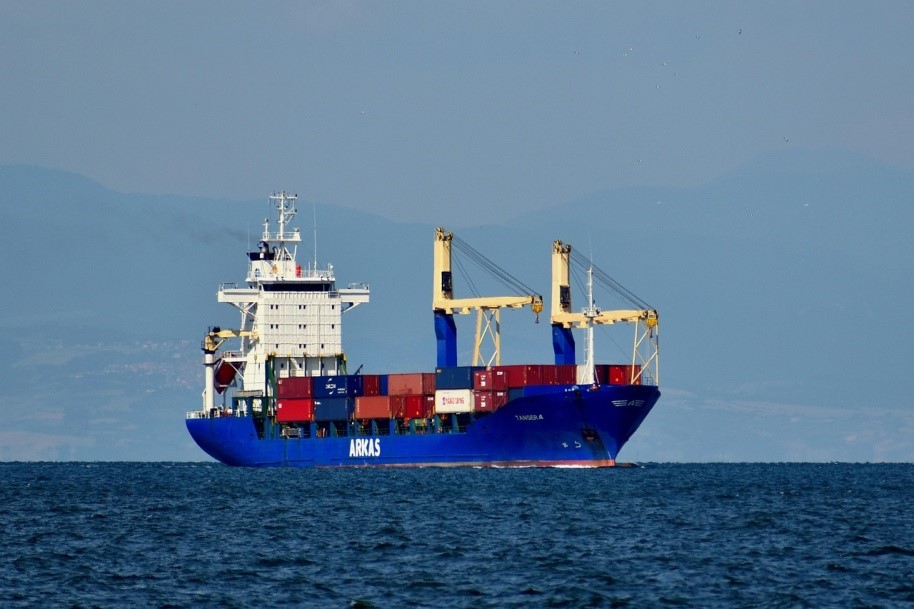
Step 1: Preparing for Export – Market Research and Compliance
Before sending your first shipment abroad, thorough preparation is key. The foundation of a successful export operation lies in understanding your target market and ensuring your business complies with international trade regulations.
Start with market research. Identify where your product has the most demand, analyze competitors, and study import regulations of your target country. Understanding local preferences, pricing expectations, and distribution channels will help you position your product effectively.
Next, focus on legal compliance. Every country has its own export controls, product standards, and labeling requirements. You’ll need to verify whether your goods require an export license or special certification. Check the Harmonized System (HS) Code for your products, as it determines duties and taxes in the importing country.
Finally, ensure you understand trade agreements between your country and your target market. These can provide tariff reductions or other benefits that enhance your product’s competitiveness. A well-prepared exporter minimizes risks and builds credibility with international partners.

Step 2: Documentation, Shipping, and Payment Procedures
Once your export plan is ready and compliance verified, it’s time to handle the practical side — documentation, logistics, and payment. Proper paperwork is at the heart of every export transaction. Missing or incorrect documents can lead to delays, penalties, or even the seizure of goods.
The most common export documents include:
- Commercial Invoice: Details the transaction between buyer and seller.
- Packing List: Describes how goods are packed, including weights and dimensions.
- Bill of Lading or Air Waybill: Acts as both a transport contract and receipt of goods.
- Certificate of Origin: Confirms where the goods were manufactured.
- Export License (if applicable): Required for controlled or restricted items.
When it comes to shipping, work closely with freight forwarders who can manage transportation, insurance, and customs clearance. They are invaluable partners, especially for new exporters who are not yet familiar with international logistics.
Finally, ensure secure payment arrangements. Common methods include Letters of Credit (LCs), advance payments, or documentary collections. Each method balances risk differently between buyer and seller, so choose one that matches your risk tolerance and trust level with your client.
Exporting doesn’t have to be intimidating. With proper preparation, clear documentation, and reliable logistics partners, even small businesses can access international markets and expand their customer base. The key is to stay informed, organized, and compliant with every step of the process.
Whether you’re exporting for the first time or refining your current operations, this structured approach helps you reduce risks, ensure timely delivery, and establish a professional reputation in global trade. In the world of exports, clarity and consistency are your strongest allies.