


In today’s interconnected world, global trade has become more complex, competitive, and fast-paced than ever before. Companies operating across borders must manage suppliers, manufacturers, logistics providers, distributors, and customers spread across different countries and time zones. In this environment, effective supply chain management (SCM) is no longer just an operational function, it is a strategic pillar for success in international trade.
A well-structured supply chain ensures that goods move efficiently from origin to destination, costs are controlled, risks are minimized, and customer expectations are met. On the other hand, weak supply chain management can lead to delays, higher expenses, compliance issues, and lost business opportunities. For companies involved in global trading activities, mastering supply chain management is essential to remain competitive, resilient, and profitable in a constantly evolving market.
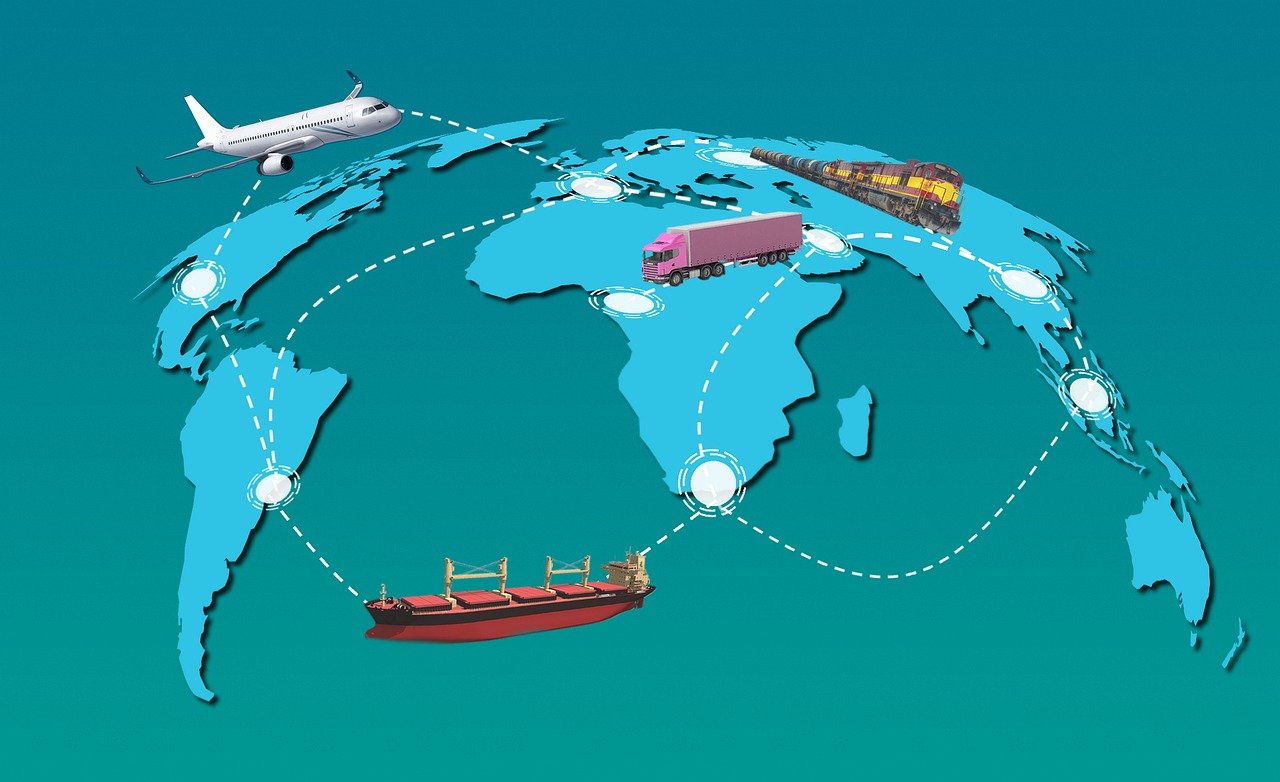
Enhancing Efficiency and Cost Control in Global Operations
One of the primary reasons effective supply chain management is crucial for global trade success is its direct impact on operational efficiency and cost control. International supply chains involve multiple stages, including sourcing raw materials, production, transportation, warehousing, customs clearance, and final distribution. Without proper coordination, inefficiencies can quickly accumulate.
Effective SCM allows businesses to streamline these processes by improving planning, forecasting, and coordination between all stakeholders. By leveraging accurate data and advanced logistics strategies, companies can reduce lead times, avoid overstocking or stockouts, and optimize transportation routes. This leads to lower operational costs and improved cash flow, both critical factors in international trade.Cost control is especially important in global markets, where companies face fluctuating fuel prices, currency exchange risks, and varying import/export regulations. A strong supply chain strategy helps organizations identify cost-saving opportunities, negotiate better terms with suppliers and logistics partners, and respond proactively to market changes. As a result, businesses can offer competitive pricing while maintaining healthy profit margins, strengthening their position in global trade.

Managing Risk and Building Resilience in International Trade
Global trade exposes companies to a wide range of risks, including geopolitical instability, regulatory changes, natural disasters, supplier disruptions, and transportation delays. Effective supply chain management plays a vital role in identifying, assessing, and mitigating these risks before they impact business operations.
A resilient supply chain is built on diversification and transparency. By avoiding over-reliance on a single supplier or region, companies can reduce vulnerability to unexpected disruptions. Effective SCM also involves real-time visibility across the supply chain, enabling businesses to monitor shipments, track inventory, and respond quickly to emerging issues.
In addition, compliance with international trade regulations is a critical component of risk management. Customs requirements, trade sanctions, and documentation standards vary across countries and can change rapidly. A well-managed supply chain ensures that all regulatory obligations are met, reducing the risk of penalties, delays, or reputational damage.
Beyond risk mitigation, strong supply chain management enhances customer trust and satisfaction. Reliable delivery schedules, consistent product quality, and transparent communication build long-term relationships with clients and partners worldwide. In global trade, trust is a valuable asset and an efficient, resilient supply chain is one of the most effective ways to earn and maintain it.