


The way businesses move goods across borders has changed significantly in recent years. B2B logistics is no longer focused exclusively on transportation and delivery. In a connected global economy, companies must coordinate suppliers, warehouses, customs procedures, freight providers, and distributors while responding quickly to changing market conditions. This growing complexity has transformed logistics into a strategic part of global trade.
For companies operating internationally, efficiency depends on more than finding the fastest route or the lowest transportation cost. Supply chain visibility, reliable coordination, digital tools, and flexible distribution systems are becoming essential to maintaining control across multiple markets. As international networks continue to evolve, businesses are increasingly looking for logistics solutions capable of combining operational efficiency with scalability and transparency.
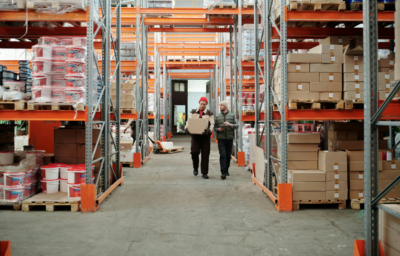 From Traditional Logistics to Connected B2B Supply Chains
Traditional B2B logistics was largely built around individual stages: sourcing products, arranging transportation, managing customs, storing goods, and delivering them to customers. Each activity could be managed separately, but this fragmented approach made it more difficult to identify problems across the entire supply chain.
Today, businesses increasingly view supply chain management as an interconnected system. Information needs to move alongside physical goods, allowing companies to understand where shipments are, monitor inventory, anticipate potential disruptions, and coordinate different logistics partners more effectively.
This shift has made end-to-end logistics visibility particularly important. Access to timely information can help businesses identify delays and operational bottlenecks before they affect downstream activities. It also supports better decisions around inventory, transportation, and distribution. Greater visibility is especially valuable when goods cross multiple borders and involve different regulatory environments.
Technology is another major driver of this evolution. Digital tracking systems, centralized communication, automated inventory processes, and data analysis can create a clearer picture of international operations. Rather than reacting only after a disruption occurs, companies can use available information to improve planning and respond more quickly when conditions change.
At the same time, international logistics remains highly dependent on effective human coordination. Technology can improve visibility, but experienced logistics partners are still essential for managing suppliers, customs requirements, transportation providers, and local distribution networks.
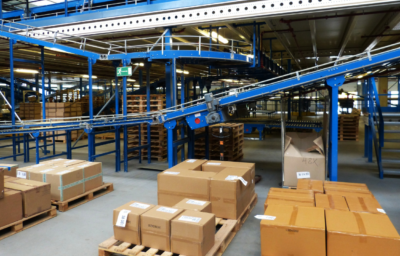 Building More Flexible and Efficient Global Distribution
The evolution of B2B logistics is also changing the way companies approach global distribution. Businesses increasingly need networks that can adapt to different markets without creating unnecessary complexity. Expanding into a new country, adjusting transportation routes, or responding to fluctuations in demand should not require completely restructuring the existing supply chain.
Flexible global distribution networks make this possible by combining standardized processes with the ability to adapt to local requirements. Warehousing, inventory management, transportation, and customs coordination can be structured to support different markets while maintaining consistent operational standards.
Efficiency is equally important. As businesses compete on delivery performance and cost control, optimizing every stage of the logistics process becomes increasingly valuable. Better inventory planning can reduce excess stock, while coordinated transportation can minimize unnecessary movements and delays. Maintaining product quality throughout storage and delivery is also essential, particularly for businesses handling sensitive or high-value goods.
This balance between speed, efficiency, and quality is becoming a defining characteristic of modern international logistics. Companies that want to accelerate distribution without compromising product integrity can benefit from a structured approach such as the one described in how to streamline global distribution without sacrificing quality.
Ultimately, the future of B2B logistics lies in connected, transparent, and adaptable supply chains. Businesses that combine digital visibility with strong operational coordination are better equipped to manage international complexity, respond to market changes, and maintain reliable distribution across borders.
Saint Trade supports this evolving approach through coordinated international logistics, sourcing, customs clearance, storage, transportation, and distribution solutions. By connecting the different stages of the supply chain, businesses can improve operational control while building a more flexible foundation for long-term growth. More information about the company’s approach to international trade and logistics is available through Saint Trade.