


In today’s fast-moving global economy, companies must constantly balance global distribution, logistics efficiency, and product quality to remain competitive. Achieving this balance is no longer optional; it is a strategic requirement for businesses operating across multiple markets. Success depends on strong international logistics, data-driven supply chain management, and the ability to coordinate complex operations through reliable partners such as Saint Trade.
As global trade continues to expand, organizations are under pressure to reduce delivery times, optimize costs, and maintain consistent quality standards. This is where experienced logistics providers like Saint Trade become essential, helping businesses simplify operations while protecting product integrity across the entire distribution chain.
Modern global distribution involves far more than transporting goods internationally. It requires managing customs regulations, ensuring compliance with different regional standards, and coordinating multiple stakeholders across various time zones. Each step introduces potential risks that can affect both timing and product quality.
One of the most common challenges is the trade-off between fast delivery and operational reliability. Many companies push for speed without fully considering the impact on packaging, handling, and storage conditions. The result can be damaged goods, inconsistent service levels, and higher long-term costs.
To overcome these issues, businesses increasingly rely on structured logistics systems and experienced partners like Saint Trade. By leveraging external expertise, companies gain better visibility and control over their international logistics, reducing uncertainty and improving performance across global markets.
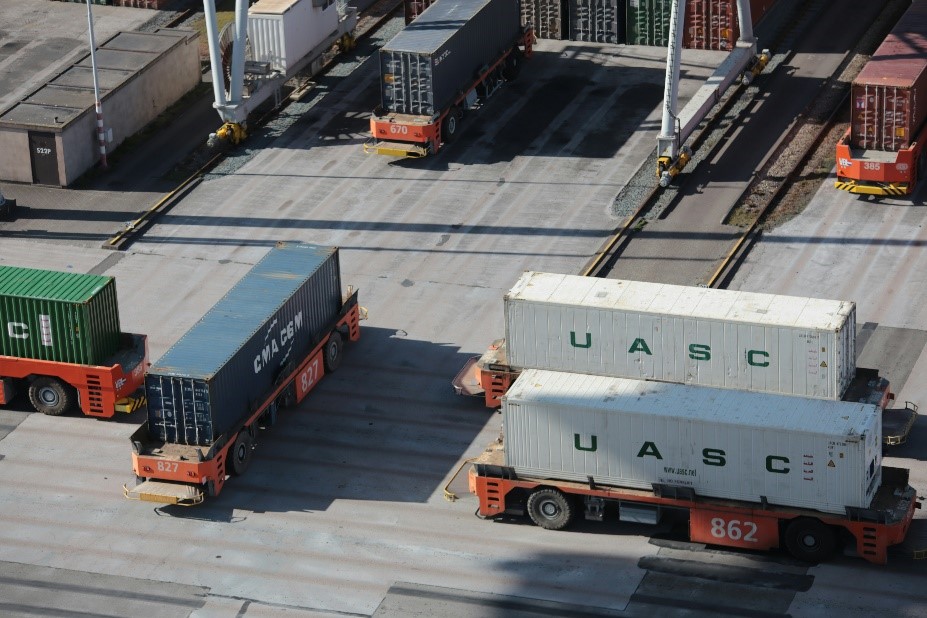
Building an Efficient and Scalable Supply Chain
A strong supply chain management strategy is the foundation of efficient global distribution. It requires analyzing every stage of the process, including sourcing, warehousing, inventory control, transportation, and final delivery. Even small inefficiencies can create delays that scale across international operations.
Digital transformation plays a critical role in improving logistics efficiency. Real-time tracking systems, automated inventory management, and predictive analytics help companies anticipate disruptions before they escalate. These tools allow businesses to optimize routes, reduce waste, and improve coordination across multiple regions.
By integrating these technologies with the expertise of Saint Trade, companies can build more resilient and scalable supply chains. This combination of technology and operational know-how ensures that B2B distribution remains consistent, even under fluctuating market conditions.
In addition, centralized coordination is essential for maintaining alignment across international partners. Without it, companies risk miscommunication, delays, and inefficiencies that can compromise both speed and product quality.
While speed is a priority, quality control remains the defining factor in successful international logistics. Products must be protected throughout the entire journey, from warehouse storage to final delivery. This requires proper packaging, temperature control when necessary, and strict handling procedures at every stage.
Technology enhances this process by providing real-time monitoring and visibility. Businesses can track shipments, identify potential risks early, and take corrective action before issues escalate. This level of control is especially important for industries dealing with sensitive or high-value goods.
Saint Trade supports this approach by offering structured logistics solutions designed to preserve quality throughout the distribution process. Learn more at Saint Trade. Their focus on coordinated logistics efficiency helps businesses maintain consistency while operating across multiple international markets.

Partnering for Smarter Global Distribution
The most effective way to optimize global distribution is to collaborate with a logistics partner capable of managing complexity at scale. Strategic partnerships allow businesses to access better infrastructure, improved coordination, and more reliable international networks.
With the support of Saint Trade, companies can streamline their supply chain management, reduce operational risks, and improve delivery performance across different regions. This ensures that growth is not limited by logistical constraints.
Saint Trade provides integrated solutions that enhance international logistics while maintaining strict quality standards. By combining operational expertise with a global perspective, they help businesses achieve sustainable efficiency without compromising product integrity.
In an increasingly competitive environment, companies that invest in smarter global distribution strategies will be better positioned for long-term success. Partnering with specialists like Saint Trade ensures that both speed and quality remain aligned, even as global demand continues to grow.