


Global supply chains are becoming one of the most critical foundations of the modern economy. In a world shaped by speed, uncertainty, and constant technological change, traditional logistics models are no longer sufficient. Delays, inefficiencies, and lack of visibility can now directly impact competitiveness and growth.
Saint Trade operates within this evolving landscape, where supply chains must become faster, smarter, and more resilient. The goal is no longer just to move goods from one point to another, but to ensure that global trade systems can respond in real time to shifting conditions. In this context, reinvention is not optional—it is necessary for survival in a faster world economy.
From Linear Chains to Connected Networks
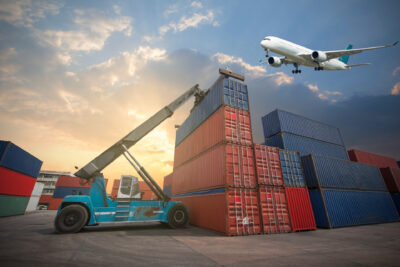
For many years, global supply chains followed a linear structure: production, shipping, distribution, and consumption. This model worked in relatively stable environments where demand and supply could be forecasted with reasonable accuracy. Today, however, that predictability has weakened significantly.
Global disruptions, geopolitical tensions, and changing consumer behavior have exposed the limitations of rigid systems. As a result, companies are moving toward more flexible and interconnected supply networks.
Saint Trade supports this transformation by encouraging a shift from linear thinking to network-based models. In these systems, every node is connected through data and communication flows, allowing for faster reactions and better coordination. Instead of waiting for problems to escalate, businesses can now identify and address issues early.
Digitalization plays a central role in this evolution. With real-time data and integrated platforms, supply chains become more transparent and responsive. This improves not only operational efficiency but also strategic decision-making across the entire value chain.
Speed, Transparency, and Intelligence
In modern trade, speed is not simply about transportation time. It is about how quickly a system can make informed decisions. A fast supply chain is one that reduces friction at every stage, from sourcing to delivery.
Transparency is essential in achieving this level of performance. Without clear visibility across suppliers, logistics providers, and distribution channels, inefficiencies multiply. Saint Trade emphasizes the importance of open and traceable systems that allow stakeholders to monitor operations in real time.
This visibility also strengthens trust between partners, especially in complex international environments. When all actors operate with shared information, coordination becomes more efficient and risks are reduced.
Alongside transparency, intelligence is reshaping supply chain management. Data-driven insights allow companies to predict demand patterns, optimize inventory levels, and adjust routes dynamically. This predictive capability turns supply chains from reactive systems into proactive ecosystems.
Building the Future of Global Trade
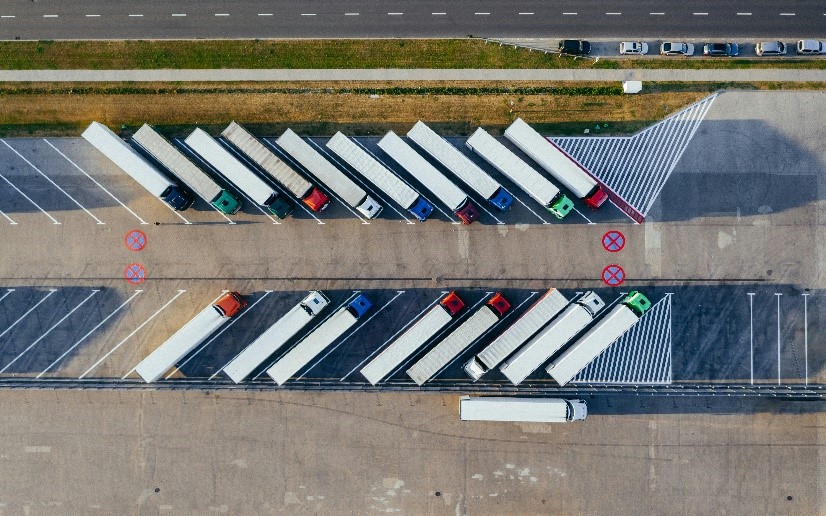
The future of global supply chains depends on the integration of physical infrastructure and digital intelligence. Ports, warehouses, and transport systems must work in harmony with advanced data networks that guide decision-making.
Saint Trade’s approach reflects this integration by focusing on systems that enhance connectivity and reduce operational friction. The objective is to support a global trade environment where goods and information move seamlessly, enabling faster economic activity.
This transformation also opens opportunities for broader participation in global markets. As systems become more efficient and transparent, smaller businesses gain improved access to international trade networks, reducing traditional barriers to entry.
Reinventing global supply chains is a necessary response to the demands of a faster world economy. Linear, outdated systems are being replaced by adaptive, data-driven networks capable of responding in real time.
Saint Trade is part of this shift, promoting a model where speed, transparency, and intelligence define the future of global trade. As supply chains continue to evolve, they are becoming more than operational structures—they are becoming strategic drivers of economic growth and resilience.