


When people think about the food they find on supermarket shelves, they rarely stop to consider the extraordinary chain of events that brought it there. Behind every jar of Italian tomato sauce or bag of premium coffee lies a sophisticated, multi-layered system of global food distribution that involves far more variables than most businesses expect when they first enter international markets.
Understanding this complexity is not just an academic exercise — it is a competitive advantage. Companies that underestimate the challenges of international food logistics often face costly delays, compliance issues, and quality problems that erode margins and damage relationships with buyers. That’s precisely why partnering with an experienced operator becomes essential.
Saint Trade, the Estonia-based import-export company specializing in premium food, beverage, and household products, has built its entire business model around navigating exactly this kind of complexity on behalf of its clients.
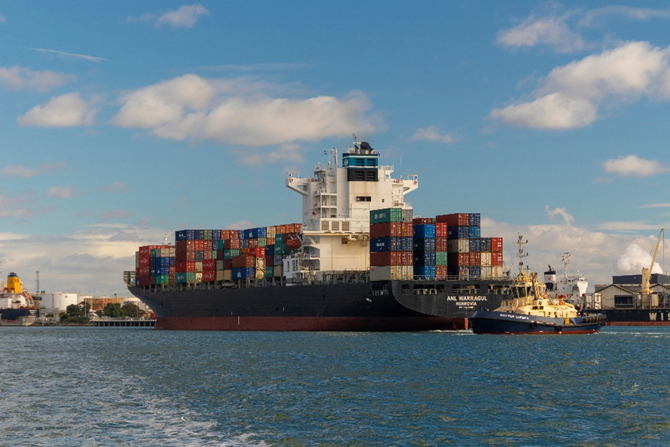
Why Food Distribution Is More Complex Than It Looks
At first glance, food and beverage import-export seems straightforward: source a product, ship it, deliver it. In reality, every step of the journey involves a web of interlocking requirements.
Cold chain management, for example, is non-negotiable for certain categories of perishables. A break in temperature control — even a brief one — can render an entire shipment unsellable. Add to this the challenge of customs clearance across multiple jurisdictions, where labeling laws, ingredient declarations, and certification standards differ from country to country, and the operational complexity multiplies quickly.
Then there is the question of timing. Global supply chain disruptions — port congestion, carrier shortages, geopolitical tensions — can affect delivery windows in ways that are difficult to predict and harder to absorb when a retail buyer is expecting a specific pallet on a specific date.
This is where companies like Saint Trade provide tangible value. Rather than asking individual businesses to build in-house expertise across every dimension of international trade logistics, Saint Trade acts as an end-to-end distribution partner — handling sourcing, transportation, and compliance management under one roof.
Operating from Tallinn, Estonia, Saint Trade works with both companies and private businesses, offering access to a curated portfolio of Made in Italy food and beverage products alongside globally recognized brands. This dual positioning — premium Italian goods combined with trusted international labels — allows clients to build diverse product offerings without managing multiple supplier relationships across different geographies.
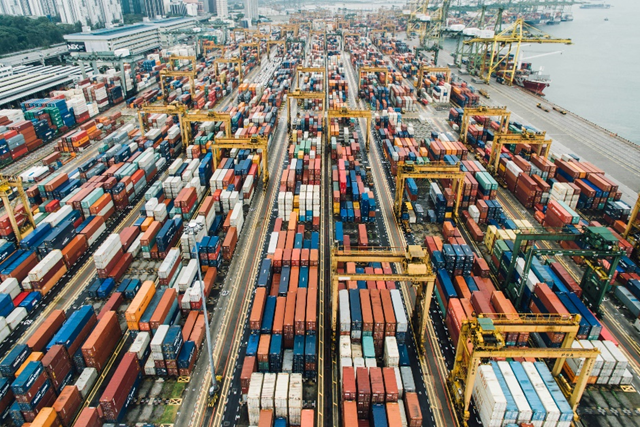
Quality Assurance Cannot Be an Afterthought
One of the most underappreciated elements of international food trade is quality consistency. A product that meets quality standards at the point of origin may still fail inspections or disappoint buyers if documentation, handling, or transportation protocols are not correctly managed throughout the journey.
Saint Trade places quality control at the center of its operations. Advanced tracking protocols and specialized handling procedures ensure that products arrive in the condition buyers expect — a seemingly simple outcome that requires rigorous process management behind the scenes.
The most successful businesses in global food import and export tend to share one characteristic: they build long-term partnerships with distribution specialists rather than treating each shipment as a one-off transaction. This approach enables better planning, more stable pricing, and faster problem resolution when unexpected challenges arise. For businesses looking to expand into new markets or streamline existing international distribution operations, working with a reliable partner is not optional — it is foundational. Saint Trade represents exactly the kind of partner that bridges the gap between ambition and execution in today’s demanding global trade environment.