


In today’s global economy, reducing waste is an increasingly important priority for businesses managing international supply chains. Waste does not only mean damaged or unsold products. It can also result from inefficient transportation, excessive inventory, poor coordination, unnecessary storage, delays, and fragmented distribution processes. Across global food and merchandise supply chains, even small inefficiencies can create significant operational and financial losses.
For companies operating across multiple markets, reducing waste requires a structured approach to international logistics, inventory management, transportation, and distribution. Better visibility and stronger coordination help businesses identify inefficiencies before they become costly problems while maintaining product quality and reliable delivery. Saint Trade supports this approach through integrated import-export services, logistics coordination, storage, and transportation solutions designed to simplify the movement of goods across borders.

Identifying the Main Sources of Supply Chain Waste
One of the first steps toward reducing waste is understanding where inefficiencies occur. In global food distribution, products can be particularly sensitive to delays, incorrect handling, storage conditions, and transportation disruptions. Perishable goods may require strict temperature control, while different markets can introduce additional customs, labeling, and certification requirements. These factors make food logistics significantly more complex than simply moving products from one location to another. Businesses can learn more about the challenges involved in global food distribution networks.
Merchandise supply chains face different but equally important challenges. Overstocking, inaccurate demand forecasts, inefficient warehouse management, and poorly coordinated transportation can increase costs while tying up valuable inventory. When businesses lack a clear view of inventory levels and shipment status, they may react too late to changing demand or unexpected disruptions.
This is why supply chain visibility plays such an important role in waste reduction. Real-time information allows companies to monitor shipments, inventory, routes, and operational bottlenecks more effectively. By connecting different stages of the distribution process, businesses can identify delays, rebalance inventory, and make better decisions before inefficiencies escalate.
Improving coordination between suppliers, warehouses, freight operators, customs agents, and distributors is equally important. A centralized approach can reduce communication gaps and unnecessary duplication, creating a more efficient global distribution network.
Building More Efficient and Sustainable Global Distribution
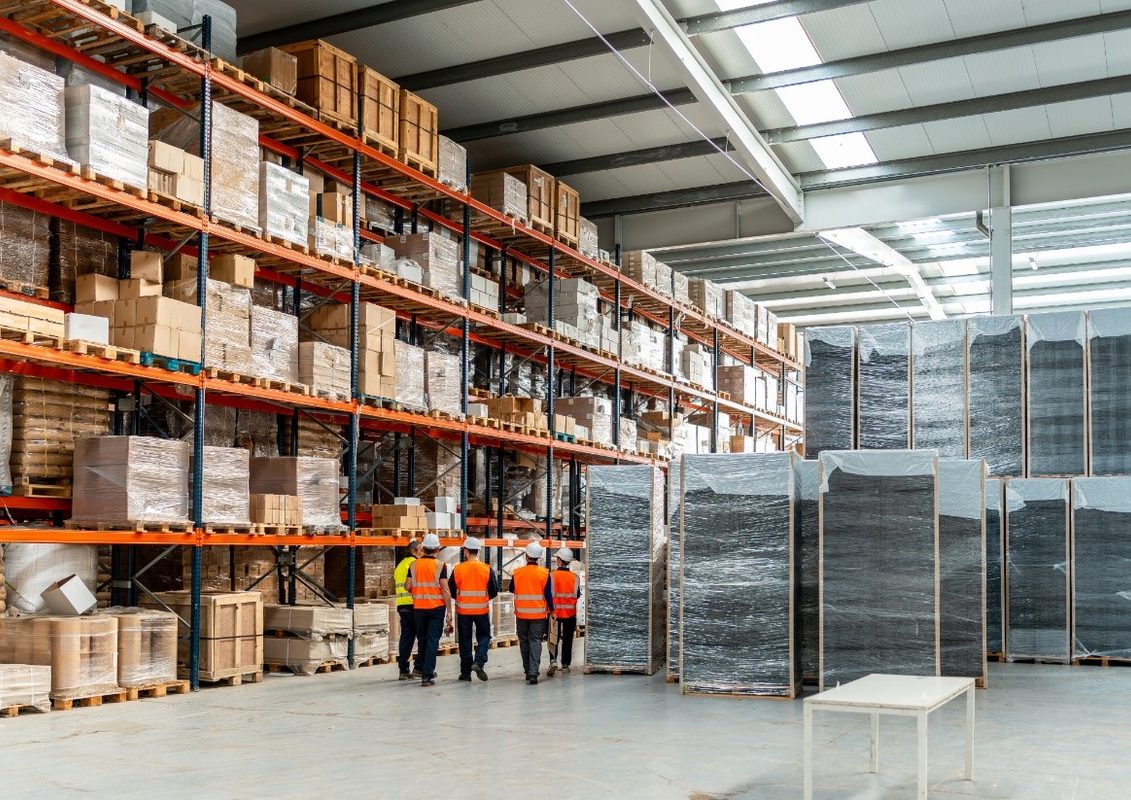
Reducing waste does not necessarily require completely redesigning an existing supply chain. Often, the greatest improvements come from optimizing the processes already in place. Better inventory planning, coordinated transportation, appropriate storage, and improved shipment monitoring can significantly increase logistics efficiency while reducing unnecessary costs.
Technology can support these improvements by providing greater transparency throughout the supply chain. Tracking systems, integrated communication tools, and data-driven analytics help businesses understand how goods move between locations and identify opportunities for optimization. This creates a more responsive distribution model capable of adapting to fluctuations in demand and international market conditions.
For food products, maintaining quality throughout transportation and storage is particularly important. Preventing waste means ensuring that products reach their destination in the condition expected by buyers. Proper handling procedures, controlled storage, reliable transportation, and effective coordination can all contribute to protecting product integrity. Saint Trade’s approach combines logistics expertise with coordinated cross-border distribution, helping businesses manage these requirements across international markets.
The same principles apply to merchandise. Efficient inventory management can help prevent excessive stock, while better transportation planning can reduce unnecessary movements and delays. By treating the supply chain as a connected system rather than a series of isolated operations, businesses can improve efficiency while creating more resilient distribution networks.
Ultimately, reducing waste in global supply chains is about improving control over every stage of the journey. Companies that combine visibility, coordination, inventory control, and reliable international logistics are better positioned to reduce operational inefficiencies without compromising quality or service. With end-to-end support covering sourcing, customs clearance, storage, transportation, and final delivery, Saint Trade helps businesses create more efficient and reliable supply chains across borders.