


In today’s interconnected economy, global trade depends on the ability to manage increasingly complex logistics networks with precision, speed, and transparency. Companies operating across multiple markets must coordinate suppliers, warehouses, transportation providers, customs procedures, and distribution channels while maintaining consistent service levels. Without complete visibility, even minor disruptions can create delays, increase costs, and impact customer satisfaction.
End-to-end logistics visibility has become a strategic requirement for businesses seeking greater control over their international supply chain management. By monitoring every stage of the logistics process, companies can identify potential risks, optimize operations, and make faster decisions based on accurate information. This approach allows organizations to move beyond traditional transportation management and create a more connected, resilient, and efficient global distribution system.
As international markets continue to evolve, businesses increasingly need solutions that combine technology, operational expertise, and structured coordination. Learn more about how modern logistics strategies are transforming international operations in reinventing global supply chains for a faster world economy.
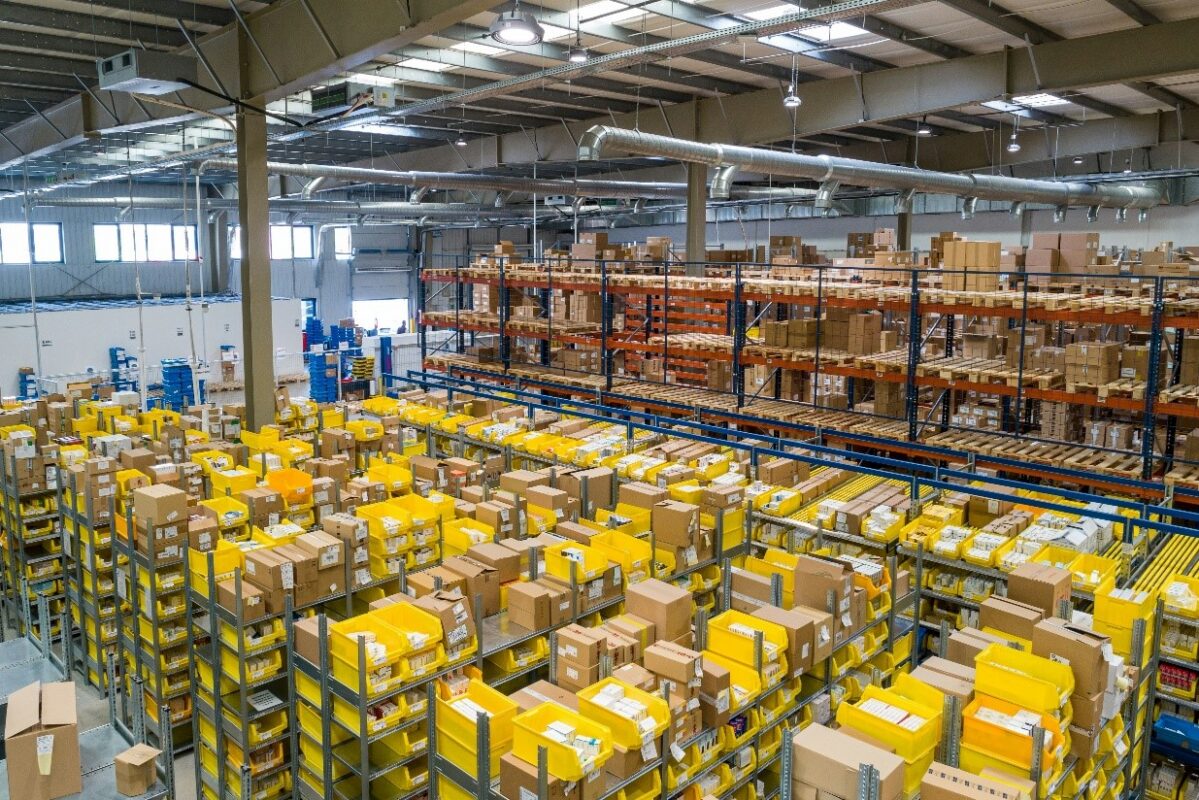
Improving Supply Chain Control Through Real-Time Visibility
One of the main advantages of end-to-end logistics visibility is the ability to maintain complete control over the entire movement of goods. From initial sourcing to final delivery, businesses can monitor shipment status, inventory levels, transportation routes, and potential disruptions. This level of transparency improves supply chain efficiency and enables companies to respond quickly to changing market conditions.
Modern digital logistics solutions play a fundamental role in achieving this visibility. Real-time tracking systems, integrated communication platforms, and data-driven analytics allow businesses to connect different stages of their operations into a unified logistics framework. As a result, companies can reduce uncertainty, improve forecasting accuracy, and optimize resource allocation.
For organizations managing cross-border logistics, visibility is particularly important because international shipments involve multiple stakeholders, regulations, and transportation methods. A lack of coordination between suppliers, freight operators, customs authorities, and distributors can lead to delays and unnecessary costs. Structured logistics management helps overcome these challenges by creating a centralized view of operations.
Effective visibility also supports better decision-making in global distribution networks. Companies can identify inefficiencies, adjust routes, balance inventory, and improve delivery performance. This creates a more agile supply chain capable of adapting to market changes while maintaining operational reliability. A similar approach is essential when businesses aim to streamline global distribution without sacrificing quality.

Building More Resilient Global Logistics Networks
The growing complexity of international commerce requires businesses to develop resilient supply chains capable of managing uncertainty. End-to-end visibility provides the foundation for this resilience by connecting information, processes, and partners across different regions. Instead of reacting to problems after they occur, companies can anticipate risks and implement preventive solutions.
A transparent logistics structure also improves collaboration between all parties involved in global trade. Suppliers, warehouses, transport providers, and local distribution partners can operate with better alignment, reducing communication gaps and improving overall performance.
Beyond operational improvements, logistics visibility contributes to stronger customer relationships. Accurate shipment information, reliable delivery timelines, and consistent service quality help businesses meet customer expectations in competitive international markets.
Partnering with an experienced logistics provider can further enhance these capabilities. Saint Trade delivers structured solutions designed to simplify complex international operations and support businesses requiring greater control over their distribution processes.
In a rapidly changing global economy, end-to-end logistics visibility is no longer an optional advantage but a critical component of successful global supply chain management. Companies that invest in transparency, coordination, and technology are better positioned to reduce risks, improve efficiency, and achieve sustainable growth across international markets.